
Heart valve surgery
Endocarditis
Treatment of an infection affecting a heart valve, with antibiotics and, if required, surgery.
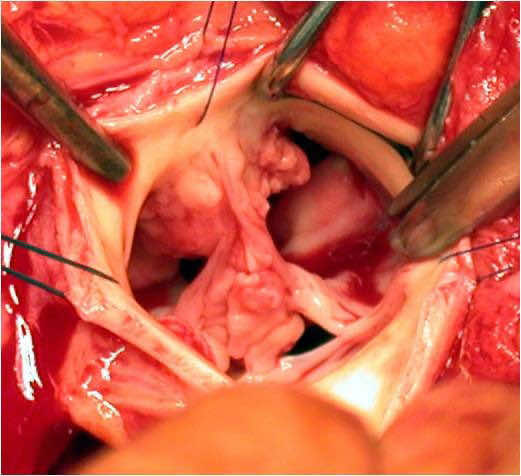
What is it?
Endocarditis is an infection of the inner lining of the heart, most often affecting a valve. Bacteria present in the bloodstream settle there and impair how the valve works. Treatment is based first on antibiotics given intravenously (through a drip) over a prolonged period. Surgery is required in some cases: a severely damaged valve, an infection that remains active despite antibiotics, or the occurrence of complications.
Step by step
- 1
The diagnosis is based on blood cultures (blood samples taken to identify the bacterium) and an echocardiogram, sometimes performed through the oesophagus.
- 2
Antibiotics are started in hospital, intravenously. The treatment is adapted to the identified organism and continues for several weeks.
- 3
The indication for surgery is discussed in a joint medical and surgical meeting with the cardiologist and the infectious disease specialist. The decision and its timing are explained to you.
- 4
If surgery is decided upon, it is performed under general anaesthesia with a heart-lung machine.
- 5
The surgeon removes the infected tissue, then repairs the valve or replaces it with a prosthesis, depending on the condition of the tissues.
- 6
Postoperative monitoring takes place in intensive care. Antibiotics are continued after surgery for the duration set by the team.
Benefits and expected outcome
Treatment has two aims: to clear the infection and to restore correct valve function. Surgery removes the infected focus and limits the risk of complications linked to endocarditis. Management always combines antibiotics with surgery when it is indicated.
Recovery and follow-up
The hospital stay is longer than for standard valve surgery because of the duration of antibiotic treatment. Regular blood tests and echocardiograms confirm that the infection is under control. Activity is resumed gradually, according to the team's instructions. Measures to prevent recurrence are put in place: regular dental care and antibiotics before certain procedures.
This page is for information and does not replace a medical consultation. Each situation is different and is assessed individually.
Appointment
An opinion on your situation?
Don't wait to talk about it: book an appointment.