
Heart valve surgery
Prosthetic valve (thrombosis / dehiscence)
Management of a prosthetic valve complicated by thrombosis or dehiscence.
What is it?
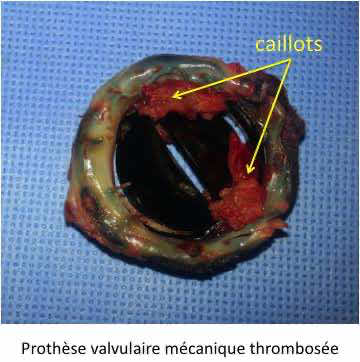
A valve prosthesis can develop a complication some time after it has been implanted. Thrombosis is the formation of a clot that restricts the movement of the prosthesis; it occurs mainly when anticoagulation is insufficient. Dehiscence is a partial detachment of the prosthesis from its ring, causing a leak around the valve. Both situations require prompt assessment in a specialised centre.
Step by step
- 1
The work-up includes an echocardiogram, most often through the oesophagus, and a check of anticoagulation (INR, a measure of how effective the blood-thinning treatment is).
- 2
An additional imaging test may be requested to analyse the movement of the moving parts of the prosthesis.
- 3
The course of action is decided in a joint medical and surgical meeting, based on the mechanism, the size of the clot and your clinical condition.
- 4
For thrombosis, treatment may consist of intensified anticoagulation or of fibrinolysis (medication intended to dissolve the clot), given in intensive care under continuous monitoring.
- 5
Repeat surgery is indicated in certain situations: it is performed under general anaesthesia with a heart-lung machine. The surgeon removes the clot, re-secures the prosthesis, or replaces it.
- 6
Postoperative monitoring takes place in intensive care, with anticoagulant treatment resumed and adjusted.
Benefits and expected outcome
The aim is to restore normal function of the prosthesis and to prevent complications related to the clot or the leak. The treatment is chosen according to the mechanism and to your clinical situation. Management includes correcting the cause, in particular adjusting the anticoagulant treatment.
Recovery and follow-up
The length of hospital stay depends on the treatment chosen, medical or surgical. Anticoagulation is reassessed and monitored more closely: INR tests at short intervals at first, then at regular intervals. A control echocardiogram checks the function of the prosthesis before discharge and during follow-up. Adherence to blood tests and prescribed doses is the main element in preventing a recurrence.
This page is for information and does not replace a medical consultation. Each situation is different and is assessed individually.
Appointment
An opinion on your situation?
Don't wait to talk about it: book an appointment.