
Expertise
Interventional cardiology
Interventional cardiology makes it possible to diagnose and treat certain heart conditions via a catheter (a thin tube inserted into an artery), without open-heart surgery.
What is it?
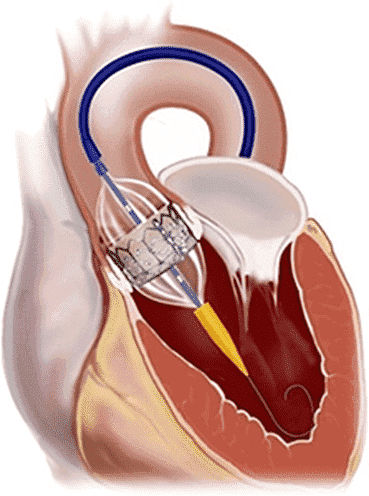
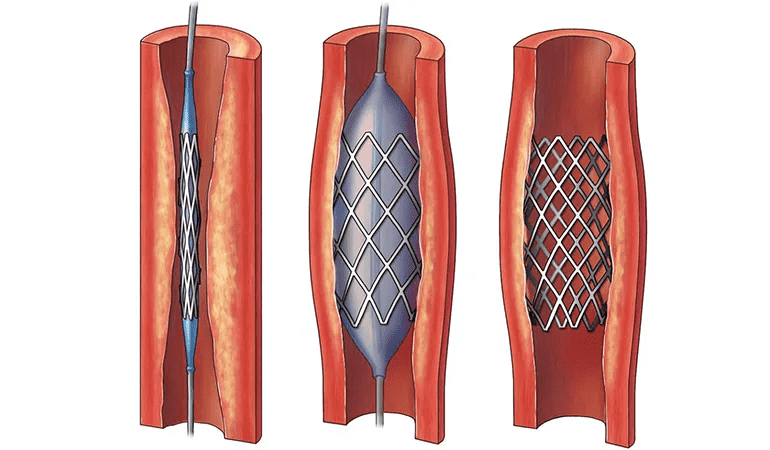
These techniques use a catheter guided to the heart to explore the arteries, dilate them (sometimes placing a stent), or replace the aortic valve (TAVI) without opening the chest.
Who is it for?
They are suitable for many patients, particularly those for whom a less invasive procedure is preferable. The indication is set after a cardiology assessment.
How your care works
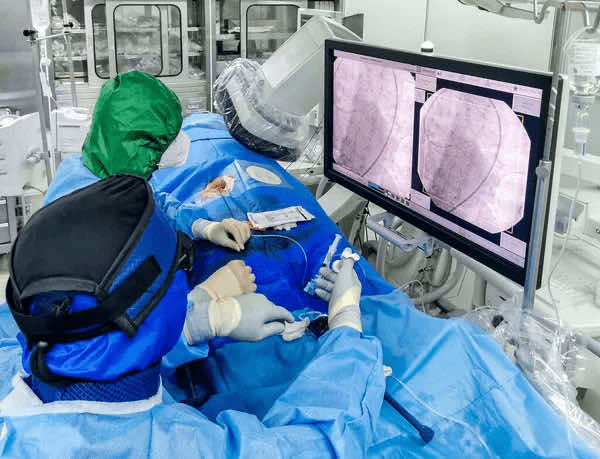
The procedure takes place in a catheterization lab. The catheter is inserted through an artery (often at the wrist or groin) and guided to the heart under imaging control.
Recovery and follow-up
Recovery is generally faster than after open surgery. The exact details are specified according to the procedure performed.
When to consult?
Chest pain, breathlessness, fainting: a cardiology work-up will determine whether a catheter-based exploration is useful.
The procedures
Choose a procedure for a clear, step-by-step explanation.
Appointment
An opinion on your situation?
Don't wait to talk about it: book an appointment.